What Is Augmented Reality and How Is It Used?

Augmented Reality (AR) is a transformative technology that merges digital content with the real world. It enhances user interactions through visual overlays, providing unique experiences across various sectors. From gaming to education, AR fosters engagement and creativity. Retailers also utilize this technology to revolutionize how customers experience products. As the applications of AR expand, understanding its implications becomes increasingly important. What other innovative uses of AR might emerge in the near future?
Understanding Augmented Reality
Understanding Augmented Reality (AR) requires recognizing its unique position at the intersection of digital technology and the physical world.
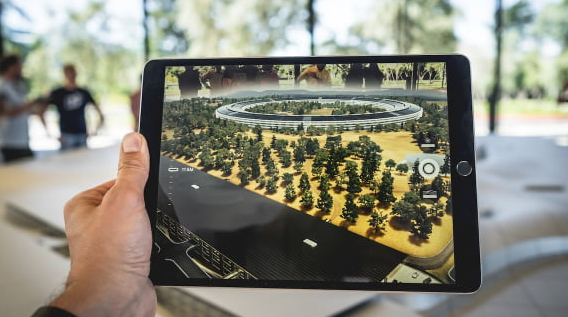
AR creates virtual environments that enhance real-world experiences, allowing users to engage in interactive experiences that blend seamlessly with their surroundings.
This technology empowers individuals, offering new ways to explore and interact with information, thus expanding the boundaries of personal freedom and creativity.
See also: disquantified
Applications of Augmented Reality in Gaming
As augmented reality (AR) technology continues to evolve, its applications in gaming have transformed the way players interact with virtual worlds.
Augmented Reality in Education and Training
The innovative use of augmented reality (AR) is not limited to gaming; it is making significant strides in the fields of education and training as well.
AR facilitates interactive learning experiences, allowing students to engage with complex subjects in a dynamic environment.
Additionally, it provides immersive training opportunities for professionals, enhancing skill acquisition and retention through realistic simulations and hands-on practice.
The Impact of Augmented Reality on Retail and Marketing
While traditional retail marketing often relies on static displays and conventional advertising, augmented reality (AR) is revolutionizing the way brands interact with consumers.
Conclusion
In a world saturated with screens and distractions, one might think that augmented reality would only add to the chaos. Ironically, it instead invites users to engage more deeply with their environments, transforming mundane moments into interactive experiences. From gaming to education, AR not only enhances reality but also encourages creativity and connection. As technology evolves, perhaps the ultimate irony lies in how an overlay of digital information can help individuals find greater meaning in the tangible world around them.