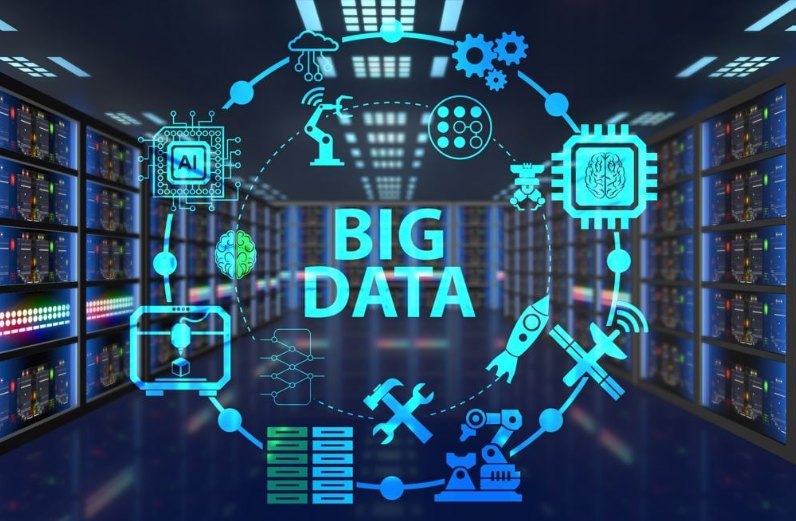
What Is Big Data and How Is It Used?

Big Data encompasses extensive datasets that vary in type and velocity, presenting both opportunities and challenges. Its characteristics—volume, variety, and veracity—underscore the intricacies involved in harnessing such information. Various sectors leverage Big Data for enhanced decision-making processes and innovative strategies. However, the implications of these vast data flows on operational practices remain complex. What specific transformations are occurring across industries, and how do they redefine traditional approaches?
Understanding Big Data: Definition and Characteristics
Big data, a term that encapsulates vast volumes of structured and unstructured data, is characterized by its high velocity, variety, and volume.
This phenomenon presents challenges and opportunities, where data volume refers to the sheer amount of information, data variety highlights diverse formats, data velocity emphasizes the speed of generation, and data veracity underscores the importance of accuracy in insights derived from complex datasets.
See also: disquantified
Sources of Big Data
Sources of big data are diverse and multifaceted, reflecting the complexity of the information landscape.
Key sources include social media platforms, which generate vast amounts of user-generated content, and sensor networks that collect real-time data from environments.
Additionally, transaction logs provide insights into consumer behavior, while web scraping extracts information from websites, creating a rich tapestry of data for analysis and decision-making.
Applications of Big Data Across Industries
As organizations increasingly harness the power of data, the applications of big data span a multitude of industries, transforming traditional practices and enabling data-driven decision-making.
In healthcare analytics, predictive models enhance patient outcomes, while retail optimization boosts sales. Financial forecasting relies on data trends, and marketing strategies become more targeted.
Additionally, big data aids in fraud detection, sports performance analysis, and urban planning efficiencies within the supply chain.
The Impact of Big Data on Decision Making and Innovation
The integration of big data into organizational frameworks has fundamentally altered the landscape of decision-making and innovation.
By leveraging predictive analytics, organizations can develop data-driven strategies that enhance operational efficiency and foster creative solutions.
This shift enables businesses to make informed choices based on real-time insights, ultimately driving competitive advantage and catalyzing innovation in an increasingly data-centric world.
Conclusion
In conclusion, Big Data stands as a transformative force, illuminating the paths of decision-making and innovation. It harnesses vast volumes of information, revealing patterns and insights hidden within chaos. From healthcare’s predictive analytics to retail’s sales optimization, Big Data empowers industries to navigate complexity with precision and foresight. As organizations embrace this digital tapestry, they cultivate efficiency, drive growth, and inspire creativity, shaping a future where data-driven insights illuminate every corner of their strategic endeavors.