Understanding Blockchain Technology in Simple Terms

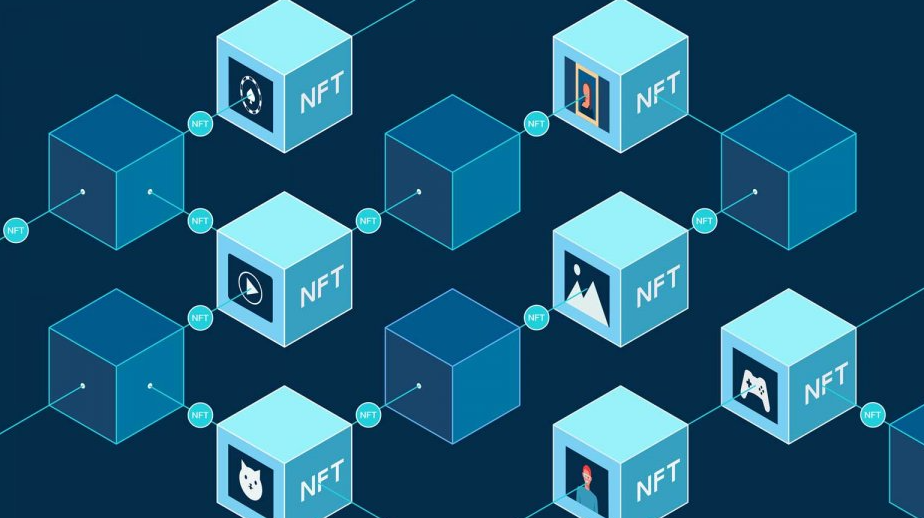
Blockchain technology is increasingly relevant in today’s digital landscape. It serves as a decentralized ledger for recording transactions securely. Each entry is verified across multiple networks, ensuring integrity and transparency. This innovative approach is changing how information is managed and shared. What makes blockchain unique, and how is it reshaping various industries? Understanding these concepts could reveal the potential impact on everyday life and business practices.
What Is Blockchain Technology?
Blockchain technology represents a revolutionary approach to data management and security.
At its core, a blockchain is a decentralized digital ledger that records transactions across multiple computers. This ensures transparency and immutability, reducing fraud risks.
The benefits of blockchain include enhanced security, lower operational costs, and increased efficiency, empowering individuals and organizations to maintain control over their data, fostering a sense of freedom in digital interactions.
See also: disquantified
How Does Blockchain Work?
Decentralized networks operate through a series of interconnected nodes that validate and record transactions in real-time.
These nodes utilize blockchain mechanics to ensure transparency and security, preventing unauthorized alterations. Each transaction undergoes rigorous transaction validation, creating a permanent and immutable ledger.
This collaborative process empowers individuals, fostering a sense of freedom and autonomy in managing digital assets without reliance on centralized authorities.
Key Features of Blockchain
While many technologies strive for efficiency and security, few can match the distinctive features offered by blockchain.
This innovative system operates as a decentralized ledger, ensuring that data is distributed across multiple nodes. Additionally, blockchain guarantees immutable records, meaning once information is added, it cannot be altered or deleted.
These features enhance transparency, security, and trust, empowering users in a world increasingly seeking freedom and autonomy.
Applications of Blockchain Across Industries
The transformative potential of blockchain technology is being harnessed across various industries, revolutionizing traditional processes and enhancing operational efficiency.
In finance, innovation is driven by decentralized systems that offer secure transactions and improved transparency.
Meanwhile, supply chain management benefits from real-time tracking and verification, ensuring authenticity and reducing fraud.
This integration fosters trust and empowers stakeholders to operate more freely and efficiently.
Conclusion
In conclusion, blockchain technology stands as a modern-day digital Fort Knox, safeguarding information with unmatched security and transparency. Its decentralized nature empowers users, ensuring trust and reducing fraud across various sectors. As industries increasingly embrace this revolutionary technology, the potential applications continue to expand, promising to transform how we manage data and transactions. With the digital world rapidly evolving, understanding blockchain is essential for navigating the future of information security and control.